REMOTE MIXING, MASTERING, AND MUSIC PRODUCTION | BOSTON, MA AND BEYONDMixing, Mastering, and Production for independent artists.
I’m Dereck Blackburn. For 25 years, I’ve helped bands and songwriters finish records they can be proud of. I work best on indie rock, dream pop, shoegaze, and new pop. I work remotely with artists worldwide or in person at Quiethouse Recording in Topsfield, MA.
Apple Digital Masters Certified
|
BMA and NEMA Awards Nominee
|
Recording Academy P&E Wing
|
GrammyU Mentor
|
Host: High Pass Podcast
|
Apple Digital Masters Certified | BMA and NEMA Awards Nominee | Recording Academy P&E Wing | GrammyU Mentor | Host: High Pass Podcast |
Selected Work

Ship Burial | Chainlacing
Production · Mixing · Mastering · Drums

Crippling Alcoholism
Mastering
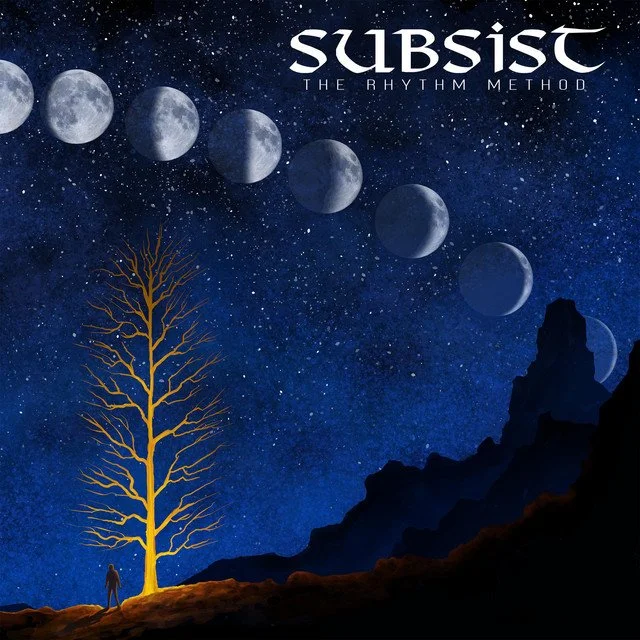
Subsist
Mixing · Mastering

HUSBANDS
Production · Mixing · Mastering · Drums

True Faith
Production · Mixing · Mastering
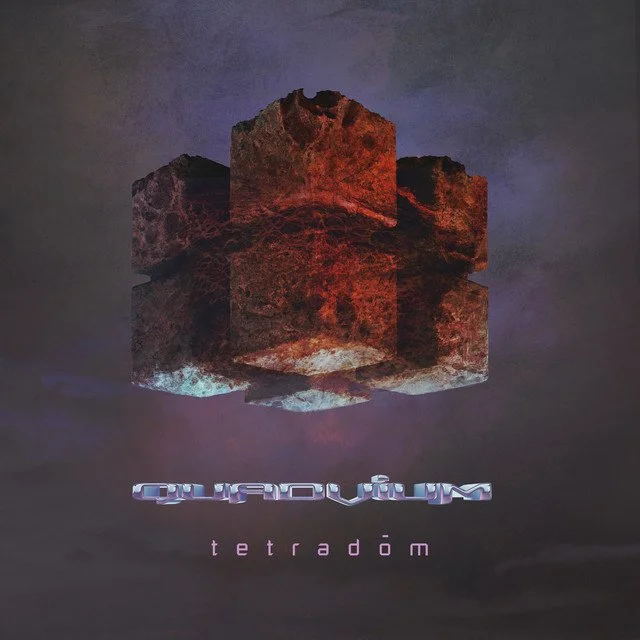
Quadvium
Mastering

Mint Green
Production · Mixing · Mastering
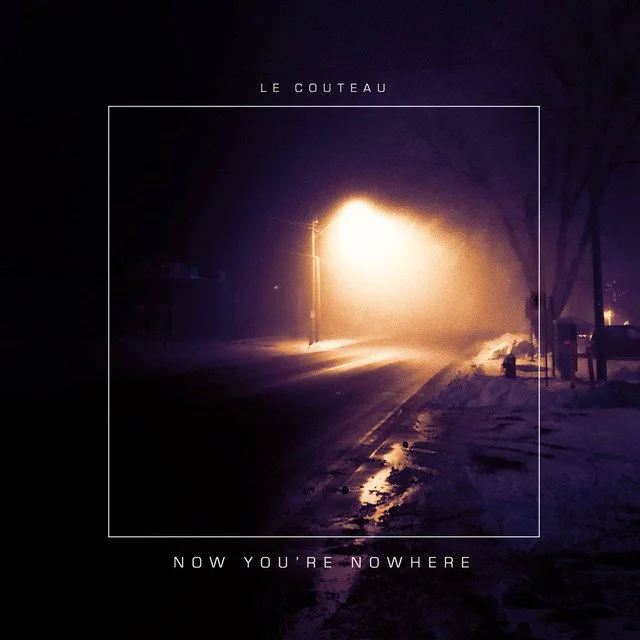
Le Couteau
Mixing · Mastering
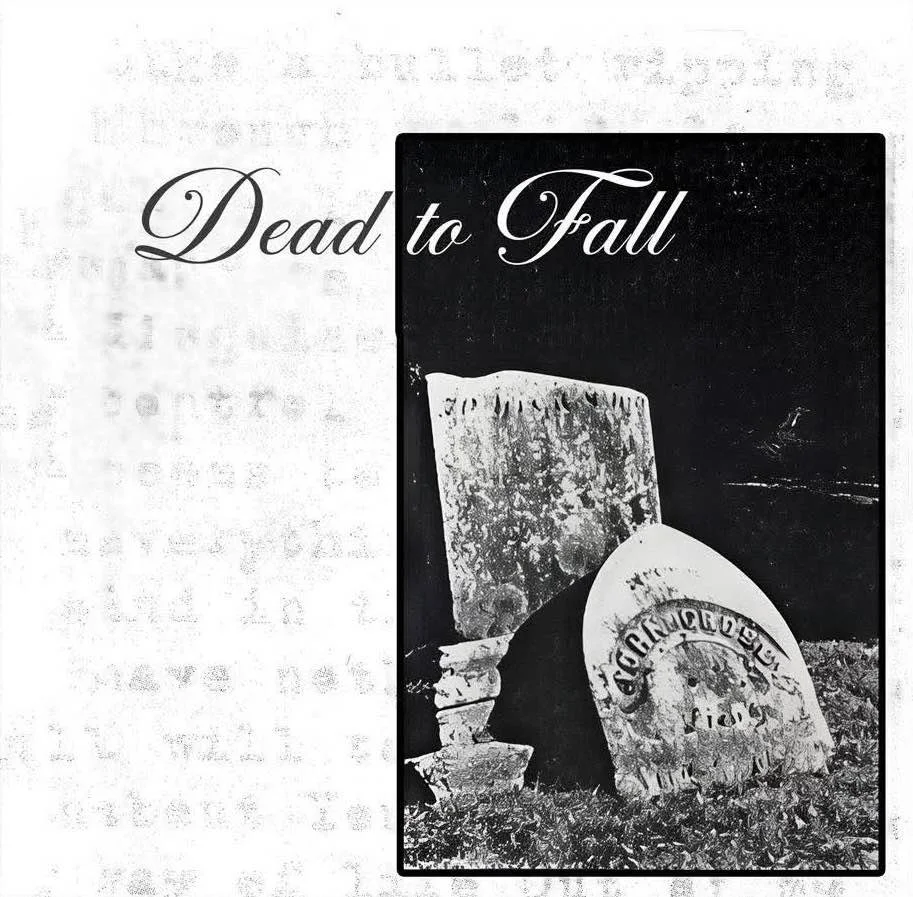
Dead to Fall
Mixing · Mastering

Idle Pilot
Production · Mixing · Mastering
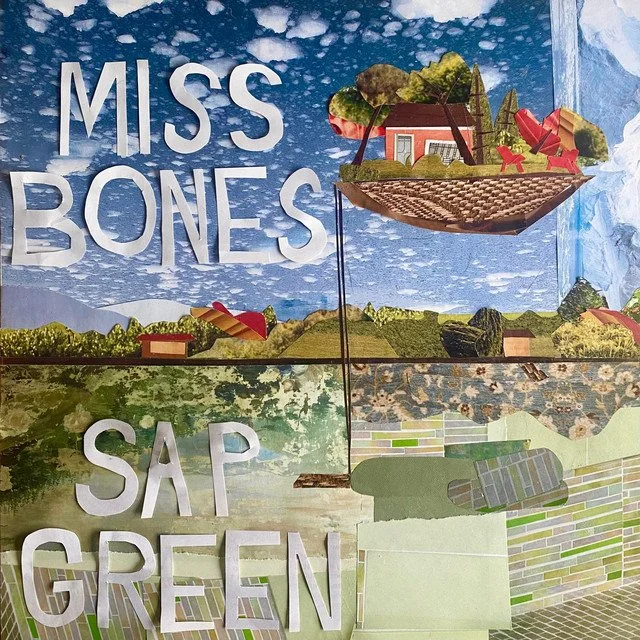
Miss Bones
Mixing · Mastering
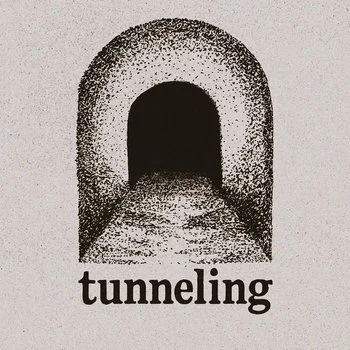
Tunneling
Production · Mixing · Mastering
Services
REMOTE OR IN PERSON
Mixing
From $450 per song
You send multitracks and a few references. I send a first mix within 5 days, and then we revise together as needed. Every mix is built around what helps the song connect with your fans; impact and depth come first.
REMOTE
Mastering
From $135 per song
Fresh perspective from a trusted and objective engineer. Tonal balance, sequencing, and loudness that fits your music and holds up to anything else in your genre. Apple Digital Masters certified. Vinyl premasters (a specialty) for an additional fee.
BOSTON AND BEYOND
Recording/Production
Quoted per project
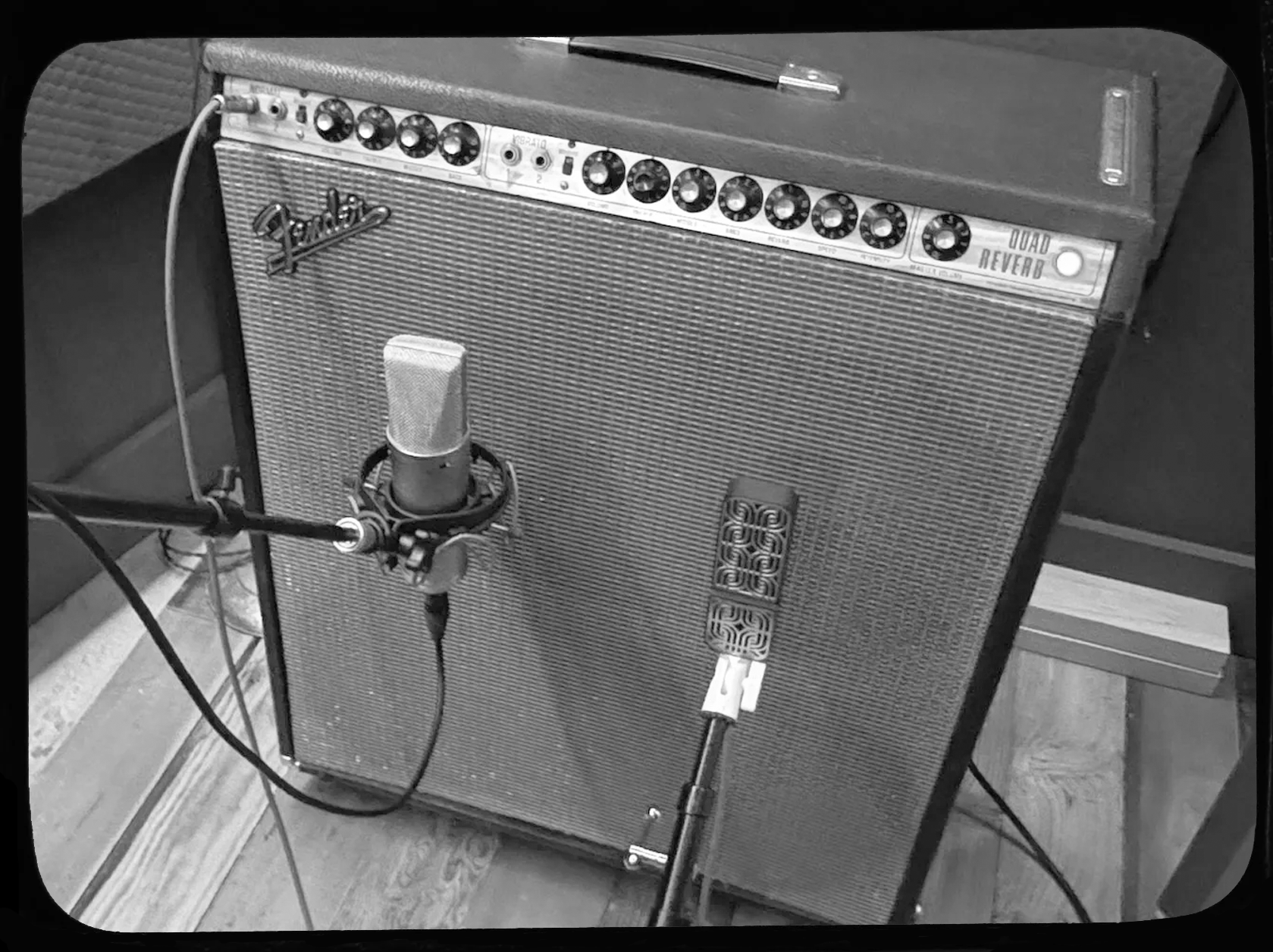
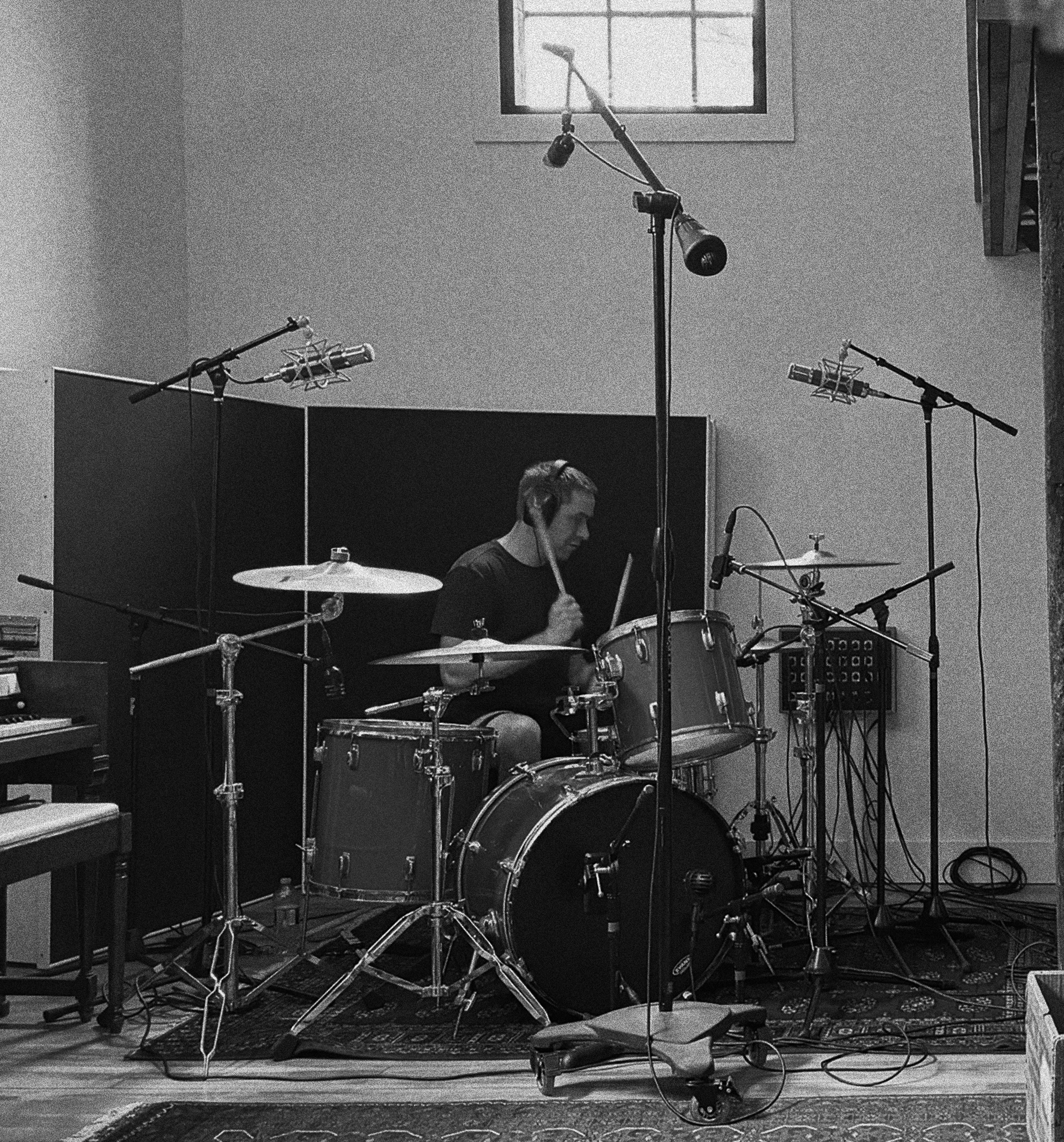
From vocal sessions to full-band records, we can work in my private studio or at a handful of fantastic partner studios in the region. No job too small, no record too big. I can help you put out music you can be proud to release.
Not sure what service you need? I am always happy to talk about your project. Just drop me a line.

Testimonials
“Dereck keeps sessions fun yet disciplined, listens deeply to ‘vibe’-level feedback, and makes my band feel like his top priority from tracking to final master.”
Mary Dumont - Roser“Working with Dereck is the best experience I've ever had with an audio engineer. He quickly produced incredible results - mastering my album in a few days - and provided thoughtful feedback and revisions when asked.”
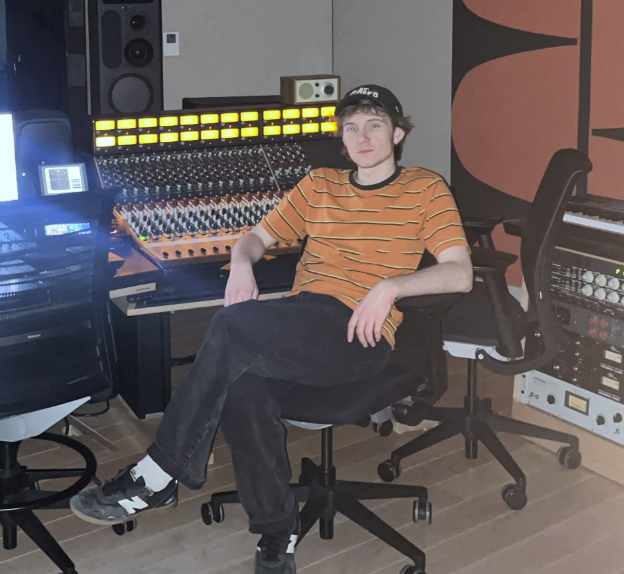
Ryan Breen - Lucy Spaxcehead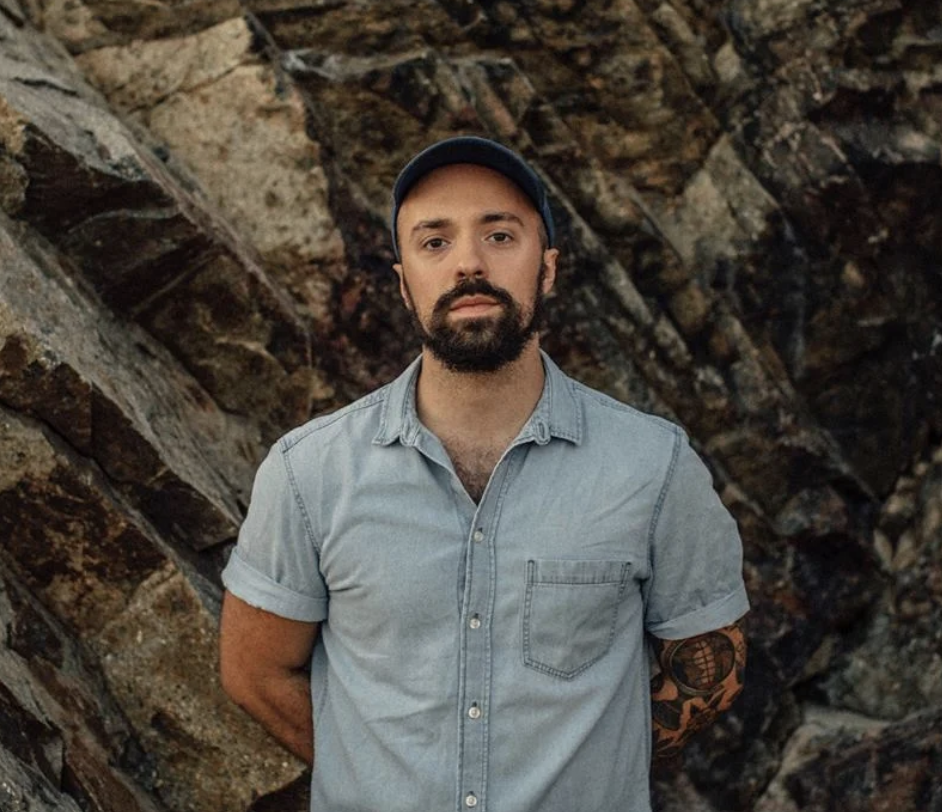
“Dereck is a rare mix of top-tier quality engineer and openly generous with his time; feedback is honest, culturally sensitive, and always pushes the music forward.”
Kevin Klein - Valleyheart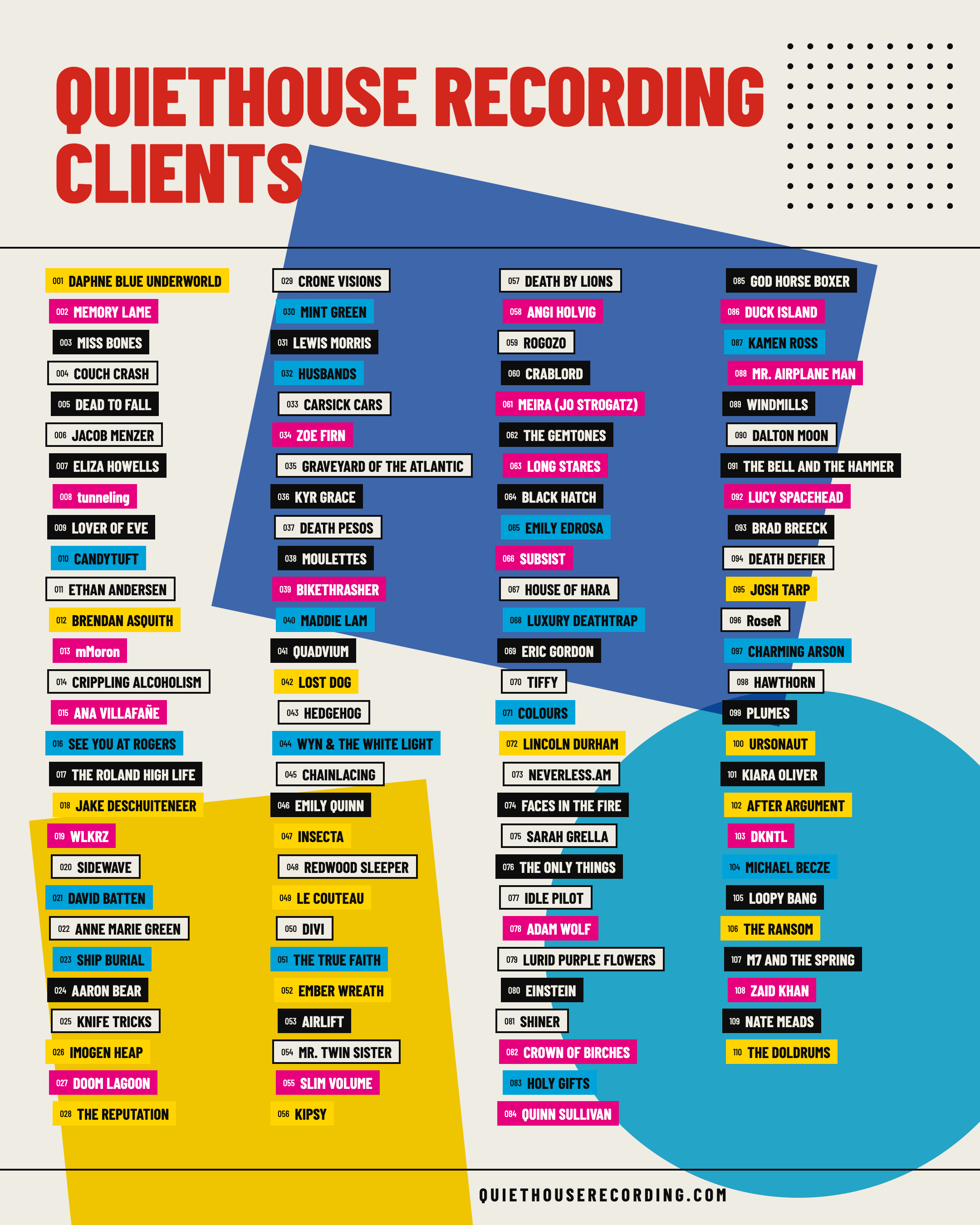
Contact Dereck


